Whooping Cough Vaccination
Whooping cough is a highly contagious, bacterial disease usually found in children. It starts with cold-like symptoms and then progresses into a cough that can last for 10 weeks or more. While this is very unpleasant, side effects are much more severe in babies under 1 years and can cause serious health complications. It is therefore recommended that pregnant women (and sometimes their close family members) and those who may come into contact with young babies should be vaccinated, so that they can pass protective antibodies to the newborn baby..
Whooping cough is generally thought of as a childhood illness, but it is actually more common in adults. Whooping cough can be treated with a course of antibiotics to make the infection less serious, but prevention in the form of vaccination is always recommended.
The vaccine used to immunise against whooping cough is Repevax, which is a combined vaccine that also protects against diphtheria, tetanus, polio.
Who should be vaccinated against whooping cough?
Infants normally receive whooping cough vaccine as part of their childhood Immunisation program.
If this gets missed for any reason, unvaccinated children or adults should be vaccinated at a later date.
Whooping cough vaccine should also be given to:
- Pregnant mothers – to help protect babies during their first few months, before they can be vaccinated themselves
- People who have not had a whooping cough containing vaccine for ten years or more and have been in close contact with somebody with whooping cough
- People travelling from the UK to Australia and the USA to live or work, or to visit households with newborn babies, may also need to be vaccinated
How many doses of the whooping cough vaccine is required?
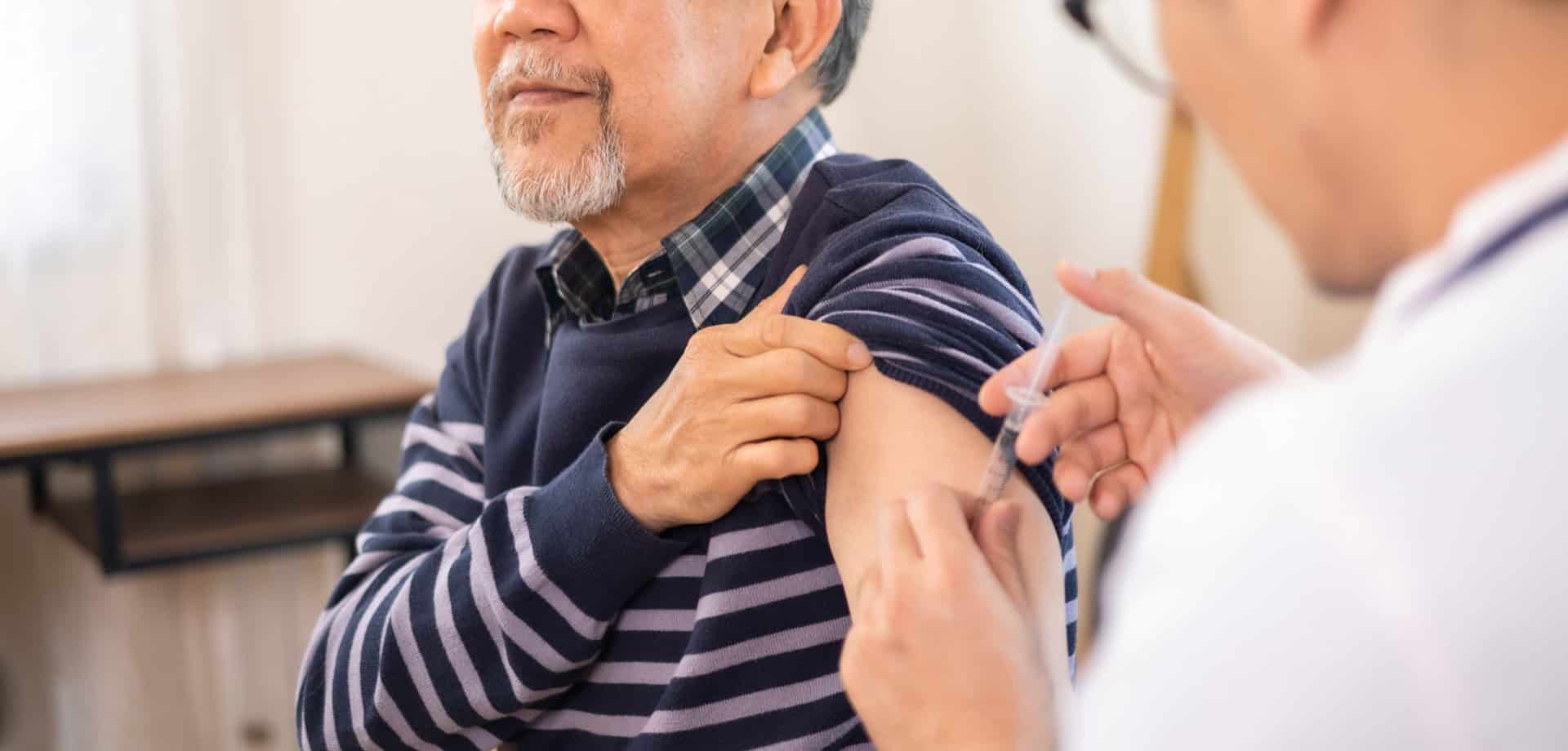
A single dose of the vaccine is required to update protection for adults.
Booster doses of the vaccine are recommended every 10 years and pregnant mothers are also advised to have a dose of the vaccine in order to protect their newborn baby from severe infection during their first months.
How does the whooping cough vaccine work?
The vaccine used to protect against whooping cough is called ‘Repevax’.
Repevax is a killed vaccine which causes the body to produce antibodies that protect against diphtheria, tetanus, polio and whooping cough.
What is whooping cough?
Whooping cough is a respiratory tract infection with Bordetella pertussis bacteria.
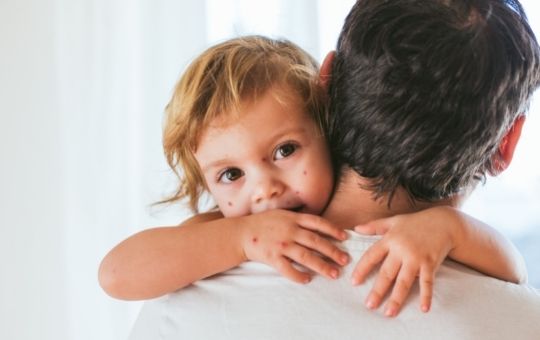
Whooping cough – also known as pertussis – is a very contagious infection only found in humans. Whooping cough causes a distinct, violent cough which is dry, persistent and uncontrollable. It can make it difficult to breathe normally which can lead to serious health complications especially in infants and young children. It can be very painful and children often make a “whoop” sound when taking breath between coughing; hence the name.
How is whooping cough spread?
Whooping cough spreads easily from person to person via droplets.
This can be via coughing, sneezing, talking, or when spending a lot of time near one another where you share a breathing space. Due to the uncontrollable cough developed through the infection, it can spread very fast amongst people who have not been vaccinated.
What are the symptoms of whooping cough?
It produces cold-like symptoms, progressing to bouts of severe coughing with whooping and/or vomiting in between breaths.
The cough can persist for two to three months. It is most dangerous in children under 1 year of age who are also at risk of serious complications.
Complications include increased risk of dehydration, breathing problems, pneumonia and seizures. Whooping cough is less severe in older children and adults. Parents of newborns may ask unvaccinated family and friends to consider vaccination prior to seeing their child.
Our Patients Speak for Us

Lucy Slimmon
I’ve been so unwell and was feeling very anxious and to find somewhere where I could get answers quickly and treatment within twenty four hours has been incredible. Thank you so much to the whole team for all that you have done to help me this week, it has really meant a lot to me.
Nay Chadbourne
Have had all my work travel vaccines at FSC and they have always been exemplary. Easy to book appointments, pleasant reception staff (both over email and phone) and appointment times to suit me. Never been kept waiting past my time and quick/easy vaccines done. Highly recommend.
Vlad Cochintoiu
Had a great experience booking and getting a last minute rapid rabies jab with Fleet Street Clinic! They even booked me in out of hours for my jab because it was the only way to do it before my travels! Thank you to everyone who assisted me.
Austen Virr
Got my rabies jabs here - very professional, great interiors decor, would recommend.
Catherine Glen
Had 2 vaccinations done recently with Chiara and she was amazing. Super attentive and caring and overall a great experience both times!
Clare Elliott
Very easy to book. The nurse was great with my nervous daughter. I would recommend for travel vaccinations.
David Butler
Very easy to set up the appointment, warm and professional welcome - very transparent medical advice on a vaccine. They were all fabulous!
Grace G
The travel nurse was lovely and very efficient with giving me vaccines. She even took the time to nurse a wound I had whilst I was there. Really great care.
Kevin McNally
I was very impressed. I was attended to very promptly and courteously. I was given good advice and advised on the cost before I went ahead.
Somerton Elliott
For several years I have relied on the lovely Fleet Street Clinic to cover my travel vaccination needs - for example to Cambodia, Vietnam and South Korea. They have real expertise in recommending what is necessary and protecting against risk. Having unfortunately had a bad NHS experience with vaccination earlier this year, I had a second and final shingles dose at the clinic. The last time, I wasn’t able to sleep on my left hand side for 10 days. At Fleet Street Clinic, the wonderful nurse ensured I had a perfect result.
FAQs
Yes, it is advised that women receive the combined diphtheria, tetanus, polio, pertussis (DTaP-IPV) vaccination between 16 and 32 weeks of pregnancy.
The most common side effects are soreness or redness around the injection, slightly increased temperature, headache and fatigue. These symptoms are mild and short-lived, usually only present for 24-48 hours. More serious side effects are extremely rare.
Yes, infants are routinely offered the vaccine as part of their childhood vaccination programme and women are normally offered the vaccine during pregnancy.
We are happy to help if for any reason this has not been done.
However, NHS vaccination is not normally offered to family members, and we are happy to help in that situation.
Most vaccines take approximately 2 weeks to reach full effect.
Yes, we are happy to provide childhood vaccines for children if for any reason this cannot be provided by the NHS. Please contact us for more information.
When attending with children, please bring your child’s “red book” along with you.
In the UK, your child’s vaccination history is normally recorded in their red book, which should be updated every time they receive a vaccine.
If you forget to bring it, we can still see you and vaccinate your child without it, and update it afterwards.
When given as a booster dose to adults, the dtap-IPV vaccination is considered to provide protection for 10 years.
For children, the primary vaccination schedule consists of a series of doses in infancy, with pre-school boosters.
In the UK, adults are not routinely offered booster doses other than between 16-32 weeks of pregnancy, though in other countries have different policies.
Whooping cough is generally advised for pregnant women, rather than those who are in close contact with newborns.
However, particularly in countries where whooping cough is more prevalent, or where there is increased awareness of possible problems, vaccination is also advised for close contacts, caregivers and close family members who will be in contact with unimmunised infants.
We are often asked to vaccinate grandparents travelling to Australia or the United States to visit newborn grandchildren.
If you are having the whooping cough vaccine because you will be in close contact with a newborn baby, it is best to try and be vaccinated at least two weeks in advance.
Whooping cough is a highly serious illness that can lead to pneumonia and brain damage in infants. Very young infants with whooping cough may require hospital treatment and it can prove fatal. For adults, the symptoms are less severe but in both it is highly contagious.
Whooping cough symptoms start out like the common cold. After 1-2 weeks a dry, irritating cough causes severe coughing spells. It is named so due to the ‘whoop’ noise made by infants when they draw breath in between bouts of coughing.
Although whooping cough, and severe disease is associated with infants, adults can still get whooping cough, become unwell with it, and pass it on to those who are susceptible.